20+
Years Of Experience
Cooling Problems Diagnosed Before Anything Gets Replaced
A/C Repairs in Hill City for systems producing weak airflow, failing to cool, cycling off unexpectedly, or making sounds that weren't there before
An air conditioner that's running but not cooling, shutting down mid-cycle, or producing airflow that's noticeably weaker than normal is telling you something specific—but what it's telling you depends on the actual failure point, which requires measurement rather than assumption. BeeCool 24/7 HVAC provides A/C repair services in Hill City focused on identifying the underlying problem before any component is replaced. This matters because the same symptom—insufficient cooling—can come from a low refrigerant charge, a failing capacitor, a dirty evaporator coil, or a restricted filter, each of which has a different repair path and a different cost profile.
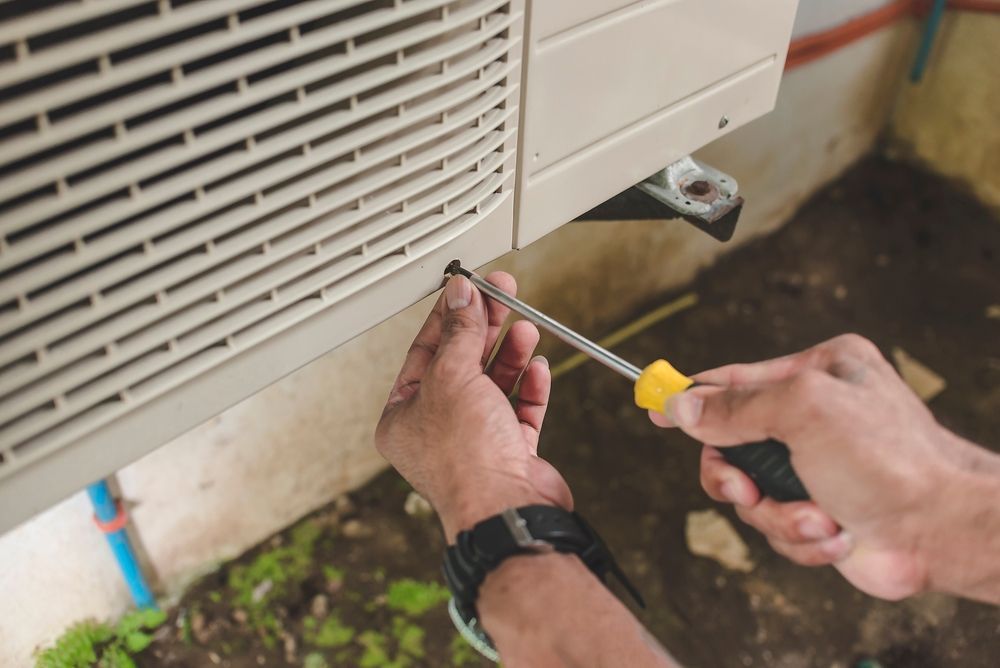
The diagnostic process involves checking refrigerant pressures, measuring voltage and amperage at the compressor and condenser fan motor, inspecting the evaporator coil for ice or debris buildup, and confirming that the thermostat and control board are communicating correctly with the equipment. Skipping any of these steps creates the risk of replacing a functional part while the actual cause of the failure remains in place. Once the fault is identified, the repair is targeted to that specific component—not to what's most commonly replaced on that equipment model.
Call BeeCool 24/7 HVAC at (218) 360-9789 to schedule an A/C diagnostic visit and get a clear explanation of what your system is doing and why.
Why A/C Failures Happen and How Repairs Address Them
Most A/C failures trace back to one of three categories: electrical component failure, refrigerant loss, or airflow restriction. Capacitors and contactors are the most frequently replaced electrical components because they handle the high startup and run currents the compressor and fan motors draw, and they degrade with each cycle. Refrigerant loss always means there's a leak somewhere in the system—simply recharging without locating and repairing the leak means the refrigerant will continue escaping until the compressor is damaged. Airflow restriction from dirty coils or blocked filters causes the evaporator to freeze over, which both stops cooling and can damage the compressor by forcing it to run against abnormal suction pressures.
After a repair is completed correctly, the system's performance should be directly observable: the temperature split between supply and return air returns to the normal 15-to-20-degree range, the unit runs full cycles without tripping on high-pressure or thermal overload safeties, and unusual sounds—compressor chatter, fan wobble, refrigerant gurgling—stop. These are the benchmarks BeeCool 24/7 HVAC checks before a repair call is closed.
There are cases where a repair visit surfaces additional wear that doesn't require immediate action but is worth tracking—a contactor showing pitting on its contacts, for example, or a capacitor reading at the low end of its tolerance range. BeeCool 24/7 HVAC documents these findings so homeowners can make informed decisions about what to address now versus what to monitor through the rest of the season.
Common Questions About A/C Repair Work
The questions below focus on what actually happens during A/C repair service—how problems are diagnosed, what the repair involves, and what owners should watch for after the work is done.
How does a technician determine whether an A/C problem is electrical or refrigerant-related?
The technician checks refrigerant pressures at both the high and low sides of the system and compares them to the operating range specified for that refrigerant type and outdoor temperature. Simultaneously, voltage and amperage readings at the compressor and fan motors indicate whether electrical components are operating within spec—these two sets of measurements together narrow the failure category before any parts are ordered.
What causes an air conditioner to freeze up and stop cooling?
Evaporator coil icing happens when airflow across the coil drops below what's needed to absorb the refrigerant's heat, which can result from a dirty filter, a closed or blocked return register, a failing blower motor, or low refrigerant charge. Allowing the ice to thaw completely before restarting the system is required—running it while frozen risks compressor damage from liquid refrigerant returning to the compressor.
Why does an A/C unit sometimes run continuously without reaching the thermostat setpoint?
Continuous running without reaching setpoint usually indicates that the system's cooling capacity is insufficient for the current load—either because refrigerant is low, a coil is heavily fouled, or the outdoor temperature is pushing the unit beyond its design operating range. It can also indicate a refrigerant metering device restriction that prevents the system from transferring heat at normal efficiency.
How is a refrigerant leak located during an A/C repair?
Technicians use electronic leak detectors calibrated to the specific refrigerant type in the system, working systematically from the evaporator coil connections through the refrigerant lines to the condenser and compressor fittings. UV dye that was previously introduced to the system can also reveal leak points under ultraviolet light when dye is already present.
What should you check after an A/C repair to confirm it was successful?
After the repair, verify that the system runs a full cooling cycle without shutting off on a fault, that supply air at registers feels noticeably cooler than room temperature, and that the indoor unit's drain line is flowing normally—a coil that was previously frozen often releases a significant amount of condensate once it thaws and the system returns to normal operation.
BeeCool 24/7 HVAC takes A/C repair calls in Hill City at any hour—call (218) 360-9789 when your cooling system stops performing the way it should and a technician will walk through exactly what the system is doing before any repair work begins.