
20+
Years Of Experience
When Repair Stops Making Sense for Your System
A/C Replacements in Hill City for systems requiring repeated repairs, failing to maintain setpoint, or running operating costs that no longer match the equipment's age
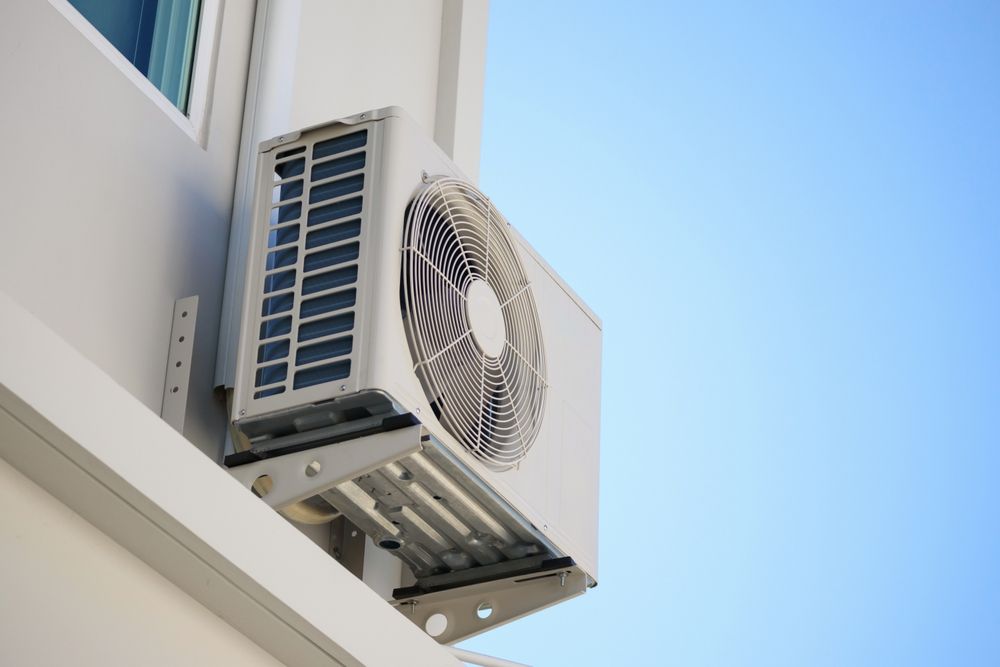
Repeated service calls, rising utility bills despite no change in use patterns, and rooms that no longer cool to setpoint even when the system is running constantly are the observable signs that an air conditioning system has crossed from a maintenance situation into a replacement evaluation. BeeCool 24/7 HVAC handles A/C replacements in Hill City by starting with an honest assessment of whether the existing equipment can still perform reliably—and when that assessment points to replacement, by selecting new equipment based on the property's actual cooling load rather than defaulting to the same size as what's being removed. That distinction matters because an aging system that was originally misspecified should be corrected at replacement, not replicated.
The replacement process involves a full load calculation for the property, an inspection of the existing duct system for condition and compatibility with modern equipment airflow requirements, evaluation of the electrical panel for circuit capacity, and selection of equipment matched to the building's current use and occupancy. In Hill City, where the property mix includes older cabins converted to full-time residences alongside newer construction, the duct systems and electrical panels can vary substantially—replacement planning accounts for what's actually in place, not what would be standard in a different property type.
To request a replacement estimate and discuss your property's specific equipment history and cooling demands, call BeeCool 24/7 HVAC at (218) 360-9789.
What A/C Replacement Actually Accomplishes
A replacement done correctly involves more than swapping equipment on existing line sets and connections. The refrigerant lines from the old system are evaluated for condition and diameter compatibility with the new unit—older line sets sized for R-22 equipment may require replacement when transitioning to modern R-410A or R-32 systems with different operating pressures. The installation then follows the same commissioning sequence as a new installation: refrigerant charge verified by measurement, airflow confirmed at supply registers, and the system run under load before the technician leaves.
After replacement, the differences a property owner notices are typically immediate and cumulative. The system reaches setpoint in a shorter run time, humidity control improves because properly sized equipment runs longer cycles that allow adequate moisture removal, and the operational sounds of a new compressor and fan assembly are noticeably different from equipment with worn bearings and degraded motor windings. Utility consumption typically drops as well, particularly when the old unit had been running at reduced efficiency due to age-related refrigerant loss or fouled coils.
Part of the replacement conversation involves equipment efficiency ratings and how they translate to operating cost over the system's expected lifespan—a higher-efficiency unit costs more upfront but the difference often narrows substantially over five to ten years of operation. BeeCool 24/7 HVAC walks through this comparison during the estimate so the decision is based on actual numbers rather than a general assumption that more efficient is always worth the premium for every situation.
What Property Owners Ask About A/C Replacement
These questions address the replacement process—how the decision is made, what the work involves, and what to expect from a new system once it's in place.
How do you determine when an A/C system should be replaced rather than repaired?
The evaluation considers equipment age, the cost of the most recent repair relative to the cost of replacement, whether refrigerant type is a factor—systems still running on R-22 refrigerant face increasing costs for a refrigerant that is no longer manufactured—and whether the system is meeting its original performance specification or has degraded beyond what repairs can restore.
Why does equipment size matter when selecting a replacement A/C system?
An oversized unit cools the space quickly but shuts off before completing enough of a run cycle to remove humidity, leaving the space feeling clammy even at the correct temperature. An undersized unit runs continuously without reaching setpoint during peak load conditions. The load calculation that drives equipment selection is the step that prevents both outcomes.
What happens to the existing refrigerant lines during an A/C replacement?
Line sets are inspected for diameter compatibility with the new equipment, physical condition, and insulation integrity. Lines that are compatible and in good condition can often be reused, but lines that are corroded at fittings, incorrectly sized for the new refrigerant type, or showing insulation breakdown are replaced during the same installation to avoid future leak points.
How do older properties in Hill City affect the A/C replacement process?
Properties that started as seasonal cabins and were later converted to year-round use often have duct systems that were designed for heating only, with limited return air capacity and supply runs that weren't balanced for summer cooling. These conditions are evaluated during replacement planning and addressed before the new system is commissioned so the equipment can actually perform to specification.
What maintenance does a replacement A/C system require in its first season?
In the first season, the primary maintenance task is verifying that the filter is changed on schedule and confirming that the condensate drain is flowing freely—a new system pulling humidity out of the air it wasn't previously conditioning will produce more condensate than the old unit did, and drain lines sized for the old load may need to be checked more frequently initially.
BeeCool 24/7 HVAC replaces A/C systems in Hill City for both residential and commercial properties—call (218) 360-9789 to discuss your current equipment's history and get a replacement estimate based on your property's actual cooling requirements.