
20+
Years Of Experience
Systems Sized Right for Real Demand
Heating installation in Hill City for homes and businesses facing inadequate warmth or aging system replacement
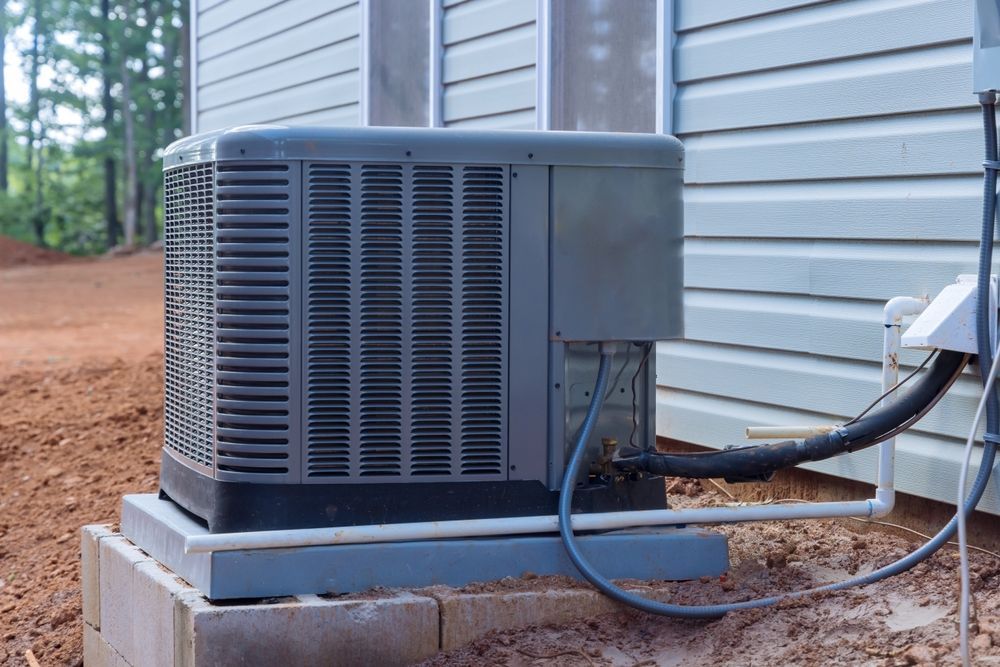
BeeCool 24/7 HVAC handles heating installation for residential and commercial properties throughout Hill City, matching equipment capacity to the actual load requirements of each building rather than defaulting to a one-size-fits-all unit. Undersized equipment runs constantly without reaching set temperatures, while oversized units short-cycle and wear out faster than properly matched systems. Getting that sizing calculation right at the start is what determines whether a newly installed system performs consistently or becomes a recurring problem.
The installation process begins with evaluating the building's heating requirements—square footage, insulation levels, ceiling heights, duct layout, and the condition of any existing distribution infrastructure. For new construction, that means roughing in equipment before walls close and coordinating with other trades so nothing has to be cut back later. For older properties replacing aging systems, the existing ductwork and venting are inspected before new equipment is selected, because installing modern high-efficiency equipment into deteriorated duct infrastructure cancels most of the efficiency gains.
Request a heating installation estimate from BeeCool 24/7 HVAC to review your property's requirements and equipment options before the work begins.
What Proper Heating Installation Requires
Correct installation involves more than setting equipment in place and making connections. Flue venting must be sized and routed correctly for the equipment's BTU output—undersized venting creates combustion byproduct buildup, and improperly pitched runs collect condensate in high-efficiency systems that are designed to drain it. Refrigerant lines on heat pump installations require proper evacuation before charging, and electrical supply must match the equipment's amperage draw, not just the breaker size that was in place for the previous unit.
Once installation is complete, the system is commissioned and tested at operating conditions—not just powered on and confirmed to run. That means measuring airflow at registers, verifying supply and return temperature differential, checking ignition sequencing, and confirming that controls and thermostats communicate correctly with the equipment. What you notice after a proper installation is that the system reaches set temperature without long run cycles and holds it without swinging several degrees in either direction.
Many older properties in the Hill City area were built during periods when heating equipment was oversized by default to compensate for poor insulation—meaning a replacement installation is also an opportunity to right-size the system now that building envelopes have often been improved. The decision about whether to reuse existing ductwork depends on its diameter, condition, and layout relative to the new equipment's airflow specifications, and that evaluation happens before equipment is ordered.
Questions About How Heating Installation Works
Property owners preparing for a heating installation often have specific questions about what the process involves and what to expect on site. The answers below address how the work is performed and what affects the approach.
What determines the right equipment size for a property?
Equipment sizing is based on a heat load calculation that accounts for the building's square footage, insulation values, window area, ceiling height, and air infiltration rate—not simply replacing the previous unit with the same BTU rating, since the original equipment may have been incorrectly sized to begin with.
How does existing ductwork affect the installation process?
The duct system is inspected for diameter, condition, and total static pressure before new equipment is selected, because a system's airflow capacity must match the air handler or furnace being installed, and deteriorated or undersized ducts will limit performance regardless of equipment quality.
What happens during the commissioning step after the equipment is installed?
Commissioning involves measuring actual airflow at each register, verifying the temperature rise across the heat exchanger, testing ignition and safety controls, and confirming that the thermostat and any zoning controls communicate correctly with the equipment before the installation is considered complete.
Why does venting configuration matter for high-efficiency furnaces?
High-efficiency furnaces extract more heat from combustion gases and produce acidic condensate as a byproduct, which means their venting must be properly pitched for drainage and cannot share flue runs designed for standard-efficiency equipment without modification.
What should you look for once a new heating system is operating?
A correctly installed system should reach the thermostat setpoint within a reasonable run cycle, maintain consistent room temperatures without swinging more than a couple of degrees, and operate without unusual sounds during ignition, burner operation, or blower startup.
BeeCool 24/7 HVAC installs heating systems sized and configured for the specific demands of each property in Hill City—arrange an on-site evaluation to review your building's requirements before selecting equipment. BeeCool 24/7 HVAC also performs heating installation in Grand Rapids, Aitkin, Garrison, and Onamia.