
20+
Years Of Experience
Heating Failures Diagnosed and Corrected Directly
Heating repairs in Hill City for furnaces and heating equipment with ignition failures, inconsistent output, or complete system shutdown
A furnace that ignites inconsistently, produces uneven heat across rooms, or shuts down without completing a full cycle is communicating a developing fault—and in northern Minnesota, where interior temperatures can drop fast once a system stops running, that fault needs to be identified precisely rather than addressed with a parts swap that may not resolve the underlying cause. BeeCool 24/7 HVAC diagnoses and repairs furnaces and heating equipment for residential and commercial properties throughout Hill City, with emergency availability for situations where the system has stopped producing heat entirely.
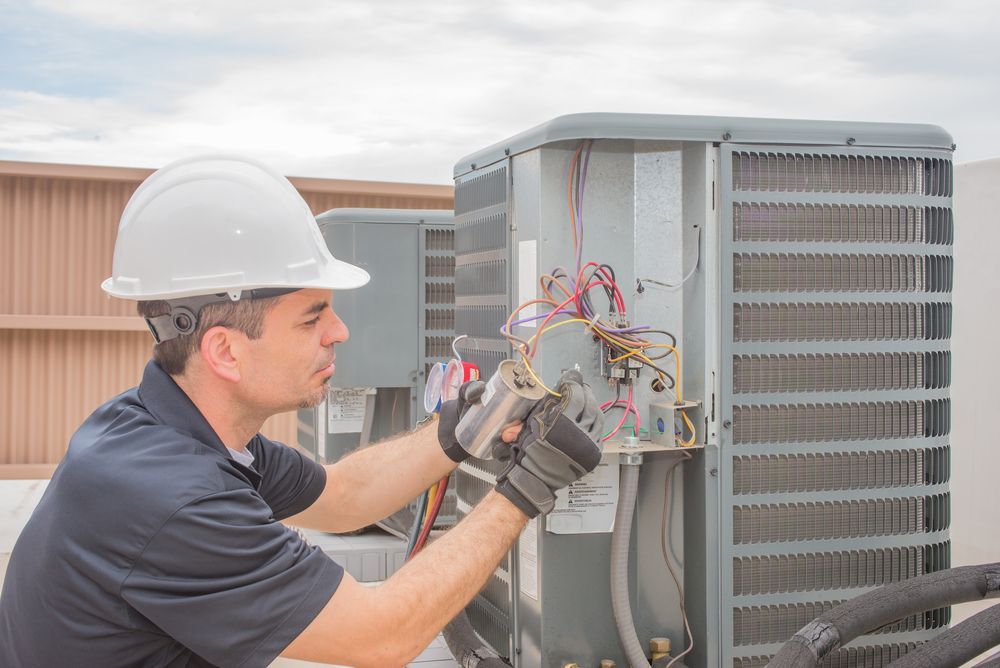
The repair process starts with reading fault codes if the system has a control board that logs them, followed by a functional inspection of the ignition sequence, heat exchanger, pressure switches, flame sensor, and inducer operation. Unusual noises—a hard ignition bang, a squealing blower bearing, or a rattling heat exchanger—each point toward different components and require different corrective steps. A cracked heat exchanger, for example, is a safety concern that affects the repair path differently than a failing capacitor or a clogged pressure switch port, and distinguishing between those accurately is what prevents repeat service calls.
Call BeeCool 24/7 HVAC to describe your heating system's symptoms and confirm availability for a diagnostic visit at your Hill City property.
How Heating Repair Addresses System Faults
Professional heating repair involves identifying which component in the ignition and heat delivery sequence is failing and understanding why it failed, not just replacing the most recently failed part. Flame sensors accumulate oxidation over time and fail to prove ignition even when the burner is lit correctly—cleaning or replacing that sensor is a straightforward fix, but if the root cause is incorrect gas pressure or a weak spark, the sensor will fail again. Each component in the sequence is checked against its operating specification before the repair is closed.
After a completed repair, the system is run through full ignition and heating cycles to confirm that the fault no longer appears and that the equipment is operating within normal temperature rise and pressure parameters. You should notice that the system ignites cleanly on the first call for heat, runs full cycles without tripping a limit switch or error code, and distributes consistent temperatures to all areas of the building rather than leaving cold zones that were present before service.
BeeCool 24/7 HVAC's emergency availability matters most when a system fails during the coldest periods in Hill City—at those times, a partial fix that gets a system running temporarily may be appropriate while parts are sourced, but that interim step is always explained clearly so the property owner understands what was done and what remains. Some heating system failures also reveal that equipment is beyond practical repair, and when that is the case, honest guidance about replacement options is part of the service.
Answers About How the Repair Work Is Done
Heating repair questions tend to focus on what the diagnostic process involves and what different symptoms indicate about the condition of the equipment. The following covers how those determinations are made.
How is the cause of inconsistent heating identified?
The technician reads any stored fault codes from the control board, then traces the ignition sequence step by step—checking gas valve operation, spark or hot surface igniter function, flame sensor signal, and pressure switch status—to isolate which component in the chain is failing to perform within specification.
What does a banging sound at startup typically indicate?
A loud bang when the burner ignites usually means gas is accumulating in the combustion chamber before ignition occurs, which is commonly caused by a weak igniter, a faulty gas valve, or a dirty burner that delays the flame; the underlying cause determines the correct repair rather than treating the symptom alone.
Why does a furnace sometimes run but fail to heat certain rooms?
Uneven heat distribution after the system is confirmed to be operating correctly usually points to a duct issue—a damper stuck in the closed position, a disconnected duct run, or a supply register blocked by furniture—rather than a furnace component failure, and both possibilities are checked during diagnosis.
What makes a cracked heat exchanger a different repair situation than other component failures?
A cracked heat exchanger allows combustion gases to mix with circulated air, which is a safety concern that typically requires heat exchanger replacement or full system replacement depending on equipment age and the extent of the damage, rather than a standard component swap.
How do you know a repair is fully resolved before the technician leaves?
The system is run through multiple full heating cycles after the repair is complete, with ignition, burner operation, and blower performance all verified at operating temperature, so the fault condition is confirmed absent rather than assumed resolved.
When your heating equipment shows warning signs or stops working, BeeCool 24/7 HVAC is available to diagnose the fault and complete repairs for properties throughout Hill City—contact the office to confirm availability and describe your system's current behavior. BeeCool 24/7 HVAC also performs heating repairs in Grand Rapids, Aitkin, Garrison, and Onamia.