
20+
Years Of Experience
Buildup That Blocks Safe Fireplace Operation
Chimney cleaning in Hill City for fireplaces with restricted venting, visible soot accumulation, or debris obstructions before heating season
Homes throughout Hill City rely on wood-burning fireplaces and chimney systems through an extended heating season that puts real, sustained demand on those systems. BeeCool 24/7 HVAC provides chimney cleaning for homeowners dealing with visible soot accumulation, creosote deposits, and debris blockages that reduce how safely and efficiently those systems vent. When a fireplace is used regularly across long heating periods, the byproducts of combustion collect inside the flue in layers that compound with every additional fire.
Chimney cleaning involves inspecting the flue liner, firebox, and damper assembly before removing accumulated soot, creosote, and any debris that has entered the chimney opening. Creosote is the deposit that receives the most attention because it forms in stages: early-stage creosote wipes away with standard brushing, while third-stage creosote hardens into a tar-like coating that requires chemical treatment before mechanical removal can begin. Identifying which stage is present changes the scope of the cleaning and determines what tools and products are appropriate for the job.
Schedule a chimney evaluation with BeeCool 24/7 HVAC to assess the current condition of your flue before regular fireplace use resumes.
How Creosote and Debris Affect Chimney Performance
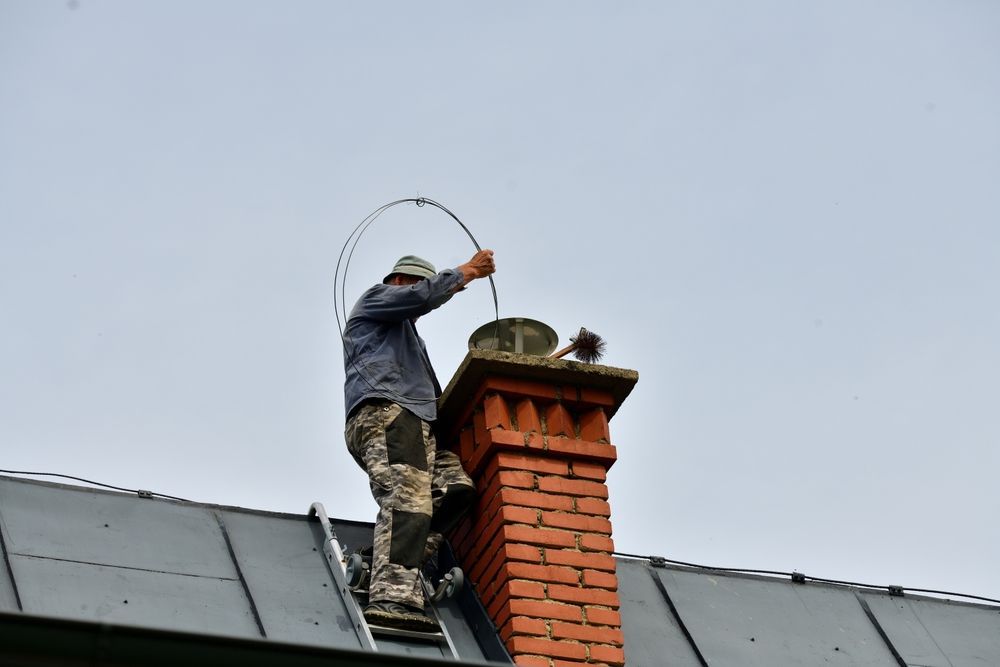
Proper chimney cleaning starts with a methodical top-down or bottom-up brush sequence depending on flue access, chimney height, and whether the system has a liner insert. Rotary brush systems and rigid rod sections work together to dislodge deposits from the flue walls, which then fall into the firebox where they are collected and removed. A drop cloth and vacuum containment setup keeps dislodged material from spreading through living spaces during the process—something that shortcuts in execution skip and that homeowners will notice immediately by the soot left behind.
Once cleaning is complete, you should be able to look up the flue and see daylight through a clean, unobstructed opening. Smoke should draft upward immediately when a fire is started rather than spilling into the room, and the fireplace should not produce an acrid, smoky smell at the damper level between uses. BeeCool 24/7 HVAC also checks for animal nesting material and debris from overhanging trees, both of which are common obstructions in chimneys that go unused through summer months and then return to service in fall.
The cleaning process also reveals conditions that affect the next service interval: a fireplace burning unseasoned wood will accumulate creosote significantly faster than one burning properly dried hardwood, which means two otherwise identical systems may need cleaning on completely different schedules depending on fuel practices.
What Property Owners Ask About Chimney Cleaning
The questions below address how chimney cleaning is performed and what homeowners should watch for when assessing the condition of their fireplace and flue system.
What does creosote buildup actually look like inside a chimney flue?
Early-stage creosote appears as a dusty, flaky gray-black coating on the flue walls and is easiest to remove with standard rotary brushing. Second-stage creosote looks shinier and more granular, while third-stage has a hardened, tar-like appearance that requires a chemical creosote remover applied before mechanical brushing can be effective.
How do you know when a chimney needs cleaning versus a full inspection?
If you can see a visible dark coating more than one-eighth of an inch thick when shining a flashlight up the flue, or if the firebox has accumulated soot that has started to fall back into the hearth, cleaning is overdue. An inspection looks at structural components like the liner, crown, and damper, while cleaning addresses the combustion deposits—both are often done at the same visit.
What kinds of debris obstructions are most common in chimneys used seasonally in Hill City?
Chimneys that sit unused through summer frequently collect bird nesting material, leaves, and small branch debris from overhanging trees, all of which can partially or fully block the flue opening before the first fire of the season. A cap screen prevents most intrusions but must itself be checked for damage or gap separation.
Why does wood type affect how often a chimney needs cleaning?
Green or unseasoned firewood contains significantly more moisture than dried hardwood, and burning it produces incomplete combustion that deposits creosote much faster onto flue walls. A chimney serving a fireplace burning exclusively seasoned hardwood will accumulate deposits more slowly and may clean out more easily than one used with mixed or green wood.
What should be done before a chimney cleaning appointment to prepare the area?
Clear the area immediately in front of the fireplace and remove any fireplace tools or decorative items from the hearth. The technician will set up protective containment over the firebox opening and floor area before beginning, but having the space accessible from the start allows the process to begin without delay.
BeeCool 24/7 HVAC handles chimney cleaning for homeowners who want their fireplace system evaluated and cleared before putting it back into regular use. Call (218) 360-9789 to arrange an appointment and get a clear picture of your chimney's current condition.